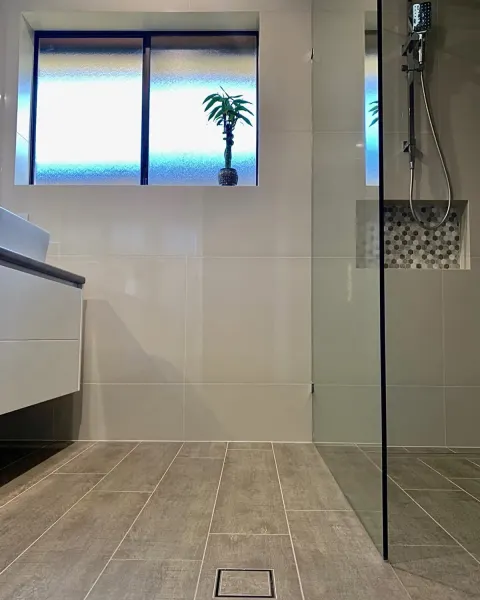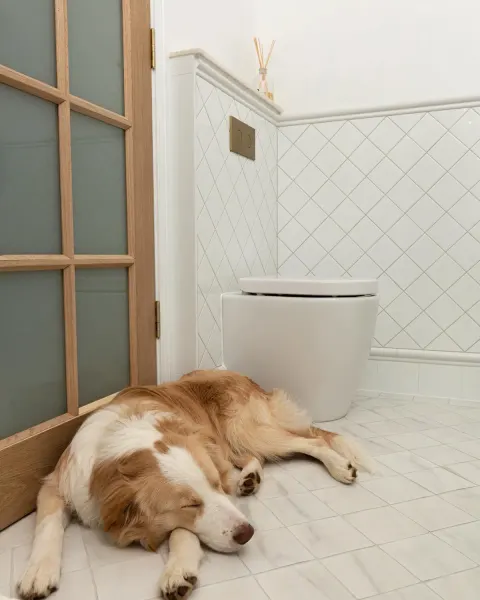
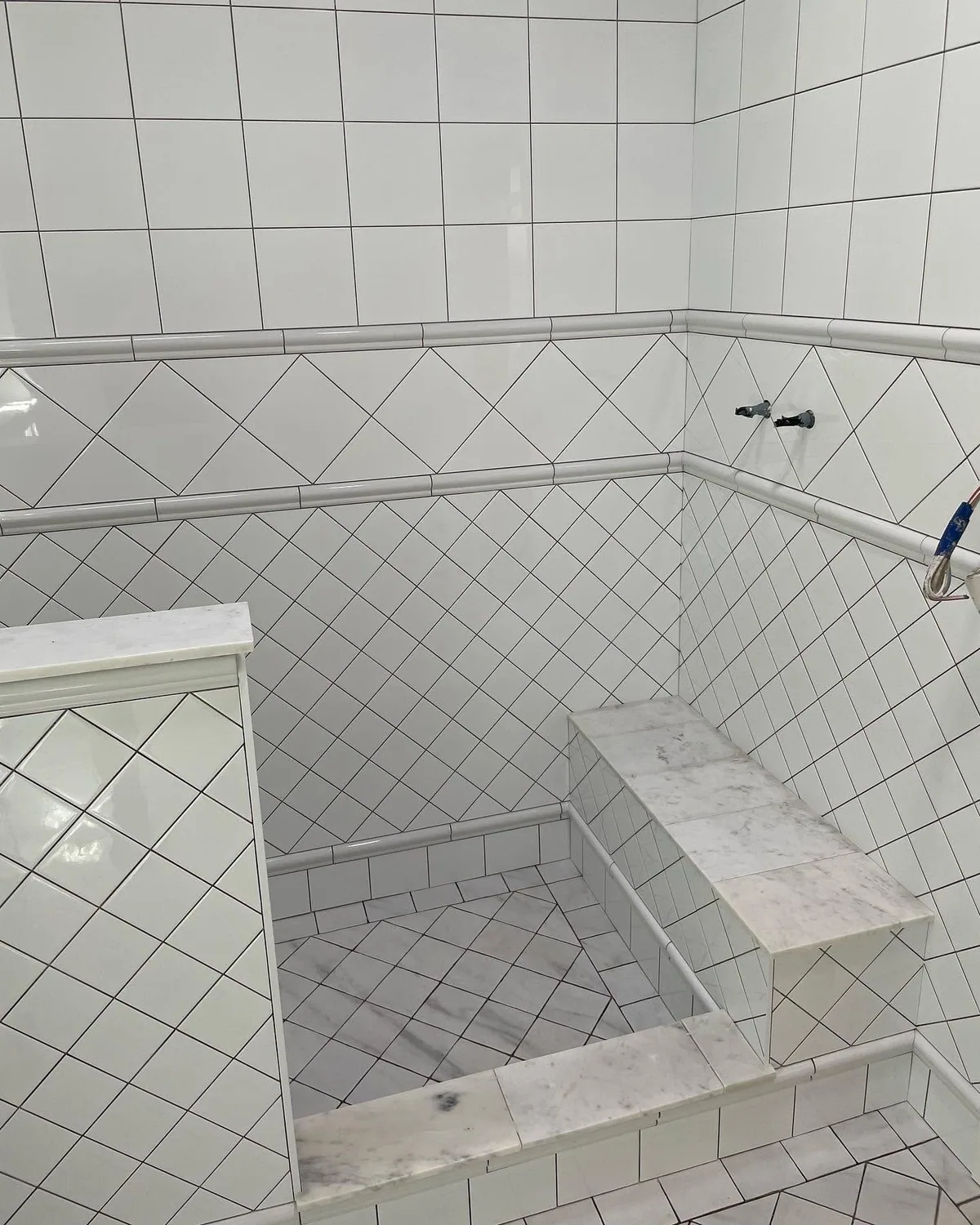
Yes, sometimes. On a dry wall or floor where the old tiles are firmly bonded, flat and clean, new tiles can be fixed straight over the top using a primer and adhesive system made for it. Adhesive manufacturers publish tile-over-tile methods for exactly this. In a shower, or anywhere the old tiles are drummy, cracked or already letting water through, it's the wrong call: you'd be sealing the problem in under a new surface.
When tiling over tiles can work
Good candidates are dry areas where the existing tiles are sound:
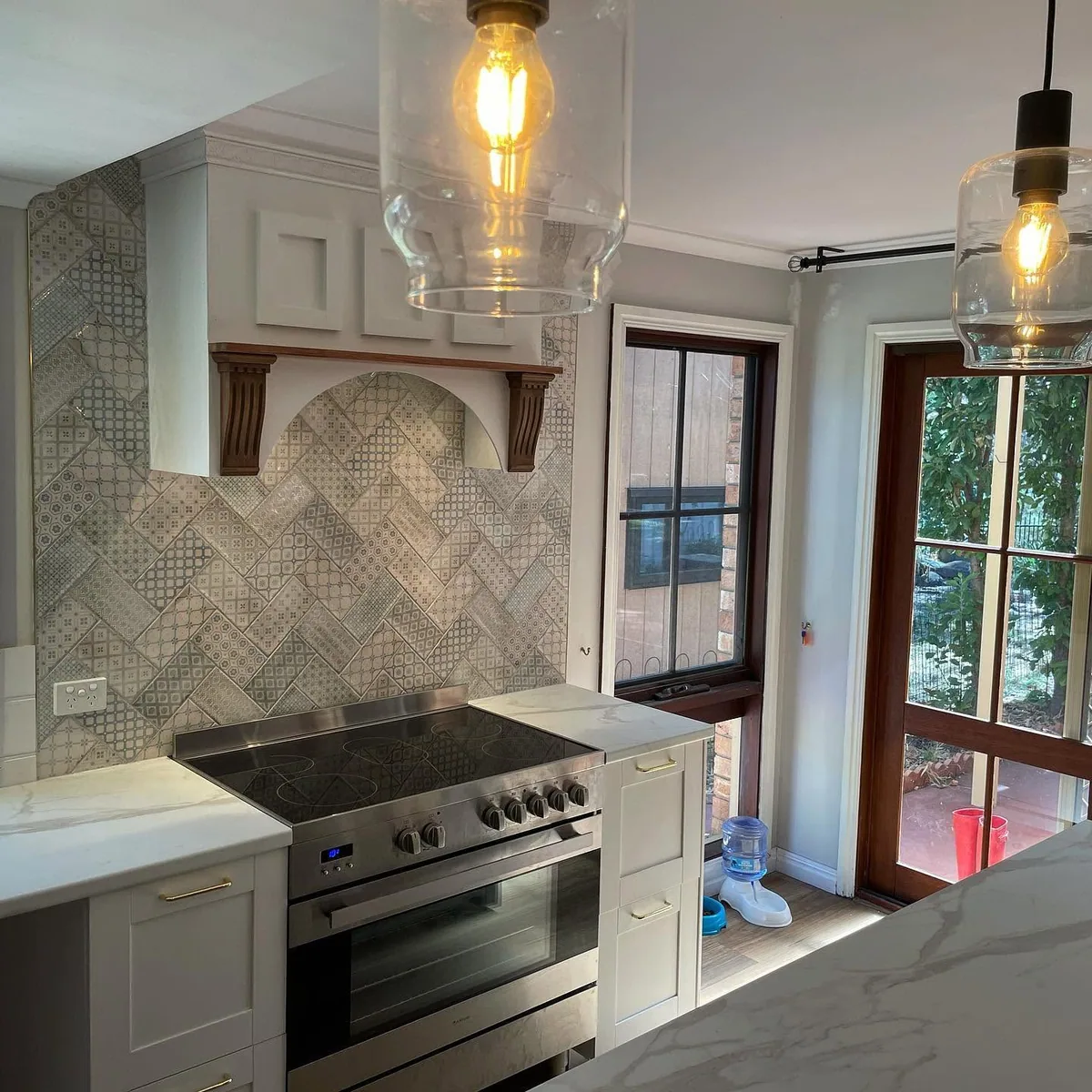
- a kitchen or laundry splashback;
- dry bathroom or toilet walls outside the shower;
- a floor where every tile is solid and the extra height won't cause problems.
Preparation still matters. Adelaide-based adhesive maker Construction Chemicals' tile-over-tile guide says to mechanically abrade contaminated surfaces (sealers, coatings, polished or sealed porcelain), scrub the old tiles clean and let them dry, prime them (its primers are specified for dry, internal areas), fix with a suitable flexible adhesive, and grout once the adhesive has set, approximately 24 hours. Whatever system is used, it should be followed as written.
When it doesn't work
Inside the shower
The waterproofing in a shower is the membrane under the tiles. The NCC Housing Provisions require the shower floor, the walls to at least 1800 mm and every junction and penetration to be waterproof. New tiles on top don't add to that, and if the shower has ever leaked, tiling over it hides the evidence while the damage carries on. A tired or leaking shower should be assessed first; our guide to leaking showers covers what to look for.
Drummy, loose or cracked tiles
A new tile is only as well fixed as the tile under it. Tap the existing tiles with a coin or the handle of a screwdriver: a hollow sound means the tile has lost its bond. Cracks running across several tiles usually point to movement in the substrate, which will crack the new layer too.
Where the height causes trouble
A second layer of tile and adhesive raises the surface. On floors that can mean doors that need trimming, awkward steps into hallways or carpet, and a floor waste that sits too low. The Housing Provisions require floor wastes to be high enough to suit the thickness of the tile and tile bed. On walls, tap spindles, the shower arm, power points, window reveals and the vanity all need to suit the new thickness.
Uneven or out-of-level surfaces
If the existing floor is out of level, or the walls are out of plumb, the new tiles follow the same faults. Large format tiles in particular need a flat base, which may mean removing the old tiles and screeding anyway.
Tile over, or strip and start again?
| Tile over | Strip and re-tile | |
|---|---|---|
| Demolition, dust and waste | Much less | Full strip-out |
| See what's underneath | No | Yes |
| Fixes a leak or failed membrane | No | Yes, with new waterproofing |
| Floor and wall build-up | Adds height | Stays the same |
| Lasts as long as | The old tiles' bond | The new installation |
How we approach it
At the quote we tap-test the existing tiles, check the floor for level and look at where the height will land. If tiling over is sound, we'll say so, and you'll get a straight answer rather than a push toward the bigger job. If it isn't, our renovation tiling covers removing the old tiles, repairing and preparing the surface and re-tiling, and our wall tiling includes splashbacks and laundry walls. We work across the southern suburbs, including Reynella and Morphett Vale.